Landscaping in Shakopee is a little like designing for a theater production. You are not just building the set for opening night, you are thinking about what the audience sees in snow, in heat, in the messy shoulder seasons when everything looks half-finished. The best projects in town have one thing in common, they are planned for how this climate swings year to year, not just for how it looks on a spring weekend.
When people hire a landscaping design installation Shakopee crew, the goal usually sounds simple: make the yard look better. In practice, the “better” part comes down to details that are easy to overlook, plant choices that match light and soil, edges that hold up after mowing, and installation decisions that prevent the classic problems like sinking beds, bare patches, and shrubs that either outgrow the space or never really take off.
I have learned to treat every job like a set of problems to solve, not a shopping trip. Here is how thoughtful planting across all seasons gets designed and installed in Shakopee, MN, and what to watch for if you want your property to look intentional from first thaw to late fall.
Start with how the property actually works
A yard is not a blank canvas. It is drainage patterns, wind exposure, frost pockets, shade from mature trees, and the practical reality of where people walk. Before any plant list is finalized, I look at a few key site factors because they determine almost everything else.
The first is sun and shade. In Shakopee, you can have a yard that is “mostly sunny,” but still includes corners where light is blocked for most of the day, particularly near fences, garages, or foundation overhangs. Those corners will behave differently than the open lawn. If you plant a sun-hungry perennial in a spot that only gets a few hours of direct light, it will either stay stunted or disappear over a season or two.
Next is soil behavior. Some properties have loamy, workable soil. Others have compacted areas from construction equipment or a fill layer that drains oddly. You do not need a lab report to identify this. You can see it when water runs, when turf struggles, or when beds seem to dry too fast right after installation. The fix may be as simple as amending the right depth with the right material, or it may require a more careful grading plan so water does not pool against the house.
Then there is maintenance reality. A beautiful design that creates constant weeding or demands constant trimming ends up looking “tired” within a couple of summers. If you already rely on a lawn mowing service Shakopee to keep things neat, it helps to design beds and edges around mowing lines, not against them. The best installations make maintenance easier, not harder.
The design that lasts is built around seasons
A common mistake is designing a yard that peaks once. It is easy to fall in love with the look of spring bloomers, then forget that summer heat and winter conditions will be the bulk of the year. In Shakopee, you want a structure that holds shape through dormancy, color through the growing season, and texture that stays visually interesting even after flowers finish.
That is where planting layers matter.
- Shrubs and small trees give the bones. Even when perennials die back, the yard still reads as “designed.” Perennials and grasses bring the seasonal show. You get bloom windows and movement, not just static greenery. Groundcovers handle the in-between spaces and help prevent weeds from claiming bare soil.
I also think about fall color and winter silhouette. A shrub that turns bronze or deep red in autumn can do more visual work than another bright spring flower that fades quickly. In winter, leafless stems and evergreen structure are what keep the yard from looking like a lot of mulch and grass gaps.
If your goal is curb appeal, these layers need to be planned in relation to sight lines. People view front yards from driveways, sidewalks, and street angles. A bed that looks great from one angle but sits flat from the others can feel disappointing, even when the plant choices are technically correct.
Planting for Shakopee conditions: hardiness and stress
Shakopee sits in a region where winters are real, and summers can be humid. The trick is selecting plants that can handle cold snaps, freeze-thaw cycles, and the summer stretch without becoming a constant replacement project.
Hardiness is the baseline. Beyond that, I pay attention to stress factors that show up differently depending on where the plant goes.
Drainage changes the “same plant” story
A plant list that works in one yard can fail in another if the bed holds water too long. If a spot stays soggy in spring, roots can suffocate and fungal issues become more likely. If a spot drains too quickly and dries out, plants may look fine at first but weaken over time.
Wind exposure matters
Even if a plant is hardy, it may struggle if it is planted where winter wind cuts across open areas. You can solve part of that with spacing, placement, and taller background shrubs, but the best move is often to locate the most sensitive plants in slightly protected zones.
Sun and soil depth are not optional
Perennials often need a certain soil depth to develop roots that survive the swings. Foundation beds, in particular, can be tricky because the area may dry out fast near the wall, and root competition from nearby turf can steal moisture.
When you plan for these factors, the yard becomes less “decorative” and more functional. Plants look healthier, require less intervention, and fill in at the pace you expect.
Edging and bed definition: the unsung hero
A well-installed bed looks crisp because the edge holds its line after mowing, rainfall, and seasonal cleanup. This is where landscape edging Shakopee MN work really matters. People notice the absence of edging even if they cannot explain what is missing. A soft border that turns into a muddy strip, or a bed that gets chewed up by mowers, makes the entire project feel unfinished.
Edging is not only about appearance. It is about keeping mulch in the bed and turf from creeping into ornamental areas. It also helps you maintain clean lines when you switch from mowing to trimming around plantings.
In my experience, the best edging projects balance three things:
A durable boundary that survives regular equipment contact. A shape that matches the site, not a one-size template. Installation depth and firmness so it does not heave or shift over time.When edging is done well, it makes every future update easier. You can replant perennials, adjust shrubs, and refresh mulch without the border turning into a constant repair job.
Lawn care and landscaping should work together
A lot of homeowners treat mowing and landscaping as separate tasks. That separation is where yards start to look chaotic. If you use a lawn mowing service Shakopee, you already understand that mowing patterns and bed placement can either reduce friction or create problems.
A few practical examples from the field:
- If a bed is placed too close to the lawn edge, mowers will scalp the border or clip delicate plants. If bed shapes are too tight and angular, trimming gets slower and harder, especially with handheld string trimmers. If mulch depth and grading are inconsistent, you end up with low spots where weeds take hold.
Designing with maintenance in mind means building enough clearance for mowing access while keeping the beds connected visually. It also means thinking about how you will move materials during installation and later during mulch refreshes.
This is where hiring a true landscaping service in Shakopee MN with design and installation expertise becomes valuable. When the same team thinks about the full system, you usually see fewer compromises later.
Installation details that prevent common failures
The difference between “looks good this month” and jcjpropertymaintenance.com Landscaping service in Shakopee MN “still looks good next year” often comes down to installation practices. Here are the kinds of decisions that matter more than most people realize.
Root contact and planting depth
Planting too shallow can leave roots exposed during heat and freeze cycles. Planting too deep can suffocate roots or encourage problems. Proper spacing also matters. If plants are installed too close, they may compete for light and airflow and become more vulnerable to disease.
Soil amendment choices
Amendments can help, but only when they match the problem. Adding organic matter to a bed that already drains poorly without addressing compaction can make the situation worse. On the other hand, skipping amendment in a sandy, fast-draining area can slow establishment.
A good crew does not treat soil modification like a default checkbox. They adjust based on what the site requires.
Mulch placement and weed suppression
Mulch is not just decoration. It reduces evaporation, insulates soil, and helps suppress weeds. But mulch should be applied thoughtfully, not piled against stems. I have seen beautiful plants decline because mulch was too close or depth was inconsistent, trapping moisture where it should not be.
Watering plan during establishment
New plantings need a real start. The first growing season is where the foundation is built. Even drought-tolerant plants do better with a consistent watering routine while roots are establishing.
If you have ever watched a bed struggle through the first summer despite “good intentions,” it is usually a watering mismatch. The solution can be a short-term irrigation strategy, a hand-watering schedule, or a combination based on how quickly your soil loses moisture.
Trees, shrubs, and the balance between shade and structure
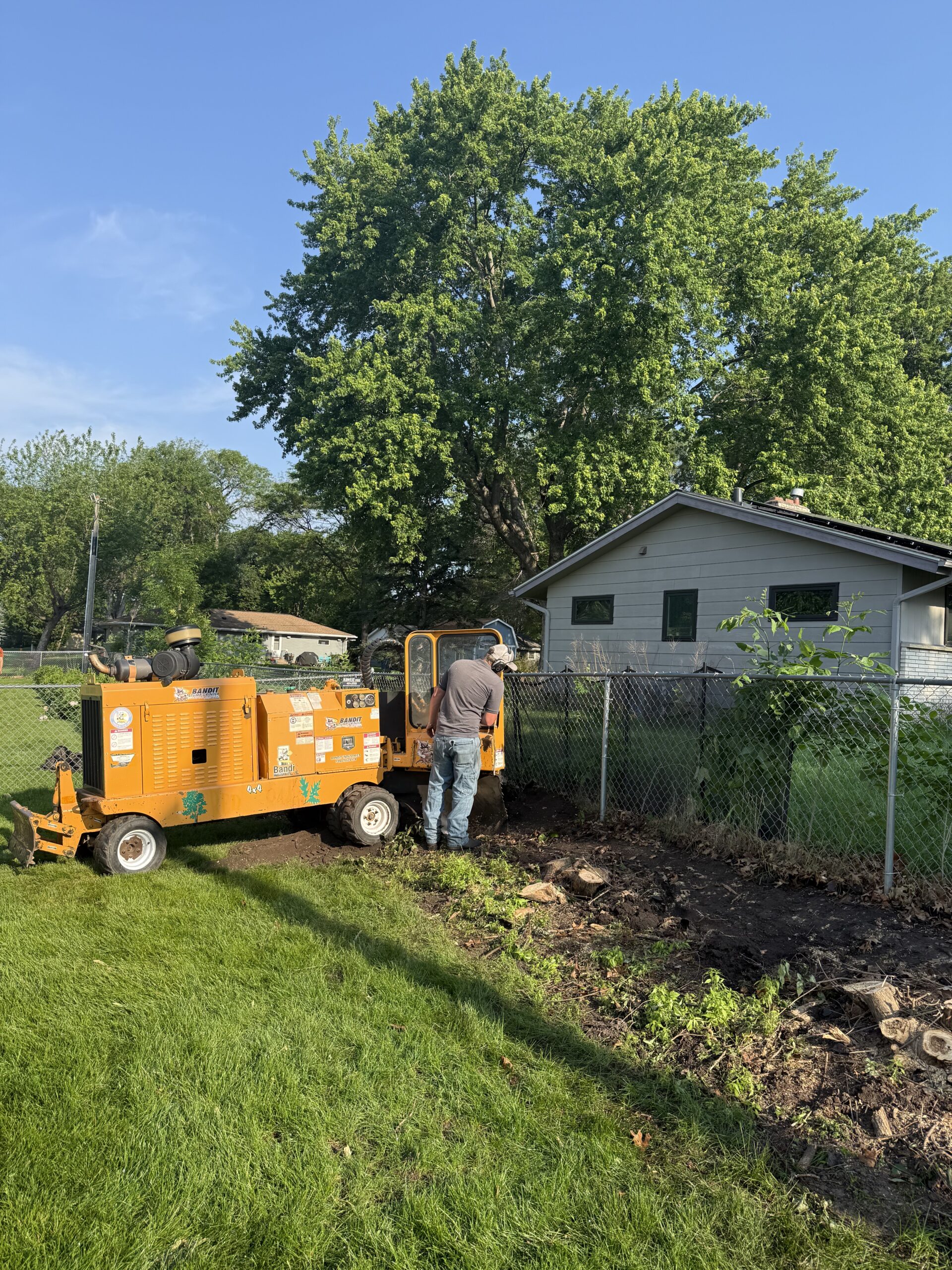
For many Shakopee properties, trees and larger shrubs are part of the landscape story from the start. This is also where tree service in Shakopee overlaps with design installation.
A tree can change the yard in three major ways: light levels, moisture balance, and the long-term space available for smaller plants. When you install beds under or around mature trees, you have to consider root competition and dry shade. Without that understanding, plantings can fail silently for years.
Sometimes the best “design move” is not adding more plants, it is adjusting what is already there. That could mean removing dead limbs, correcting clearance issues, or improving structure through pruning. If a tree is stressed or unhealthy, no amount of planting will compensate.
When the right tree work is paired with landscaping installation, everything looks more intentional. The canopy and the understory feel like they belong together instead of looking like two unrelated projects stacked on the same property.
A realistic planting philosophy: focus on placement first
There is a temptation to start with a long wish list of plants. I do it differently. First, I decide how the space should be experienced.
Ask these kinds of questions:
- Where does the eye land first from the street? What parts should look full in summer, even when flowers are not blooming? What areas are most visible in winter, when there is no leaf cover? Where do people naturally walk, and where do they not?
Once placement is clear, the plant palette becomes more sensible. You can pick fewer varieties and still create depth because plants will be layered by height, texture, and seasonal behavior.
This approach also helps with budgeting. You can spend on the plants that carry the design, and avoid over-investing in filler that does not contribute enough.
Budgeting without sacrificing the essentials
Landscaping design installation can vary a lot in cost depending on size, plant selection, grading, and site prep. Instead of chasing the cheapest option, I suggest budgeting for the essentials that prevent rework.
For example, if a project is under-budgeted on soil preparation and edging quality, you may end up spending again when plants fail or borders spread. If a project is over-budgeted on novelty plants that do not match the site, the yard can become a maintenance drain.
A workable strategy is to allocate funds to:
- site prep and soil improvement, durable bed definition (including landscape edging Shakopee MN needs), the main structural plants, and enough perennials or groundcovers to fill the composition.
If you plan for longer-term value, the yard typically looks better faster, not slower.
What seasonal upkeep actually looks like
People often imagine “installation” as the end of the project. In reality, upkeep is what keeps the design looking crisp, especially in a climate with strong seasonal changes.
Here is what I usually see as the real rhythm of a well-designed, well-installed yard:
- Early spring is about cleanup, checking for winter damage, and resetting bed lines where needed. Late spring and early summer are prime time for guiding perennials into fuller growth and addressing weeds before they take hold. Mid to late summer is when watering and spot weeding matter most, and when mowing patterns can be adjusted to protect new growth. Fall is where many planting decisions become visible, because shrubs show color and perennials begin to fade but still contribute structure.
Even if you outsource mowing or other services, having a plan for seasonal tasks helps. It also helps you notice problems early, like drainage issues, plant stress, or edge collapse.
If you already rely on lawn care Shakopee style help for consistent maintenance, you can time landscaping updates so they do not conflict with the rest of your yard schedule.
A short decision guide for choosing a contractor
If you are shopping for a crew to handle landscaping design installation Shakopee work, the details of how they communicate matter as much as the final price. I look for signs that they understand both plants and the practical constraints of your property.
Here is a simple way to evaluate fit, based on conversations I have had with homeowners:
Do they ask about sun patterns, drainage, and how you use the yard, or do they focus only on plant photos? Do they explain edging plans and maintenance access, including how mowing will work near beds? Are they comfortable discussing soil amendment and establishment watering, without vague promises? Do they coordinate landscaping with any needed tree service in Shakopee when site conditions require it? Do they share an installation approach that helps prevent early failure, rather than only talking about final appearance?When those answers are solid, you usually get a smoother process and better long-term results.
How to design for all-season curb appeal without overdoing it
It is possible to make a yard look busy by stacking too many different plant types, too many colors, and too many “statement” items. The yards that seem the most polished usually have a sense of restraint. They use structure first, then seasonal accents.
A good example is using a consistent group of shrubs repeated across the design, then adding perennials and grasses that bring shifting texture through the year. Even in late fall, that structure matters because the shrubs and grasses keep the shape.
In winter, evergreen components become more important than people expect. They keep the yard from looking empty when everything else is dormant. But you do not need to cover the entire landscape in evergreens. You want contrast, and contrast is about strategic placement.
If you are aiming for professional curb appeal, the design should look cohesive from different angles, not just from one spot by the front door.
Two real-world trade-offs to consider
No landscaping plan is perfect, and good designers build around trade-offs. Here are two I often see in Shakopee jobs.
Trade-off: faster fill versus lower long-term maintenance
You can install plants that are larger and look fuller right away. That often costs more up front. It can also mean plants need more careful spacing and handling. Smaller, well-chosen plants fill in over time and can be more forgiving, but you may have a “growing out” period where the yard is not as dramatic in year one.
A good plan tells you what to expect and how to care for it during the transition.
Trade-off: strict bed borders versus flexible planting
Rigid bed edges look great, but they require correct installation depth and consistent grading. Flexible planting zones can feel more natural, but if borders are vague, weeds and grass encroachment can become chronic.
In practice, the best setups often combine crisp edging lines with planting that feels organic, so the yard reads as intentional rather than engineered.
Bringing it all together
A landscaping project in Shakopee is successful when it looks good through changing seasons and continues to hold up under regular use. That takes more than picking pretty plants. It requires thoughtful planting based on light, soil, and drainage, careful installation practices that prevent early failure, and the kind of bed definition that makes mowing and trimming easier.
When you build with structure, layer in seasonal interest, and coordinate any necessary tree service in Shakopee work, you end up with a yard that feels complete. Homeowners often describe this feeling as “it just looks right,” and they are usually reacting to the behind-the-scenes decisions that made the plants thrive instead of struggle.
If you are planning a new landscape or refreshing an existing one, a landscaping service in Shakopee MN that truly handles design and installation end to end can help you avoid the common pitfalls. The goal is a yard that does not just impress at installation time, but keeps impressing when the first frost arrives, when spring finally loosens the ground, and every week in between.
If you want, tell me a bit about your lot, like sun exposure, any slope or drainage problems, and whether you want more evergreen structure or more flowering perennials. I can suggest a season-smart planting approach that fits the way people actually live in Shakopee yards.
JCJ Landscaping and Snow Removal
7 West Travelers Trail, Unit 391, Burnsville, MN(55337)
(952) 649-6655
[email protected]
Website: https://jcjpropertymaintenance.com